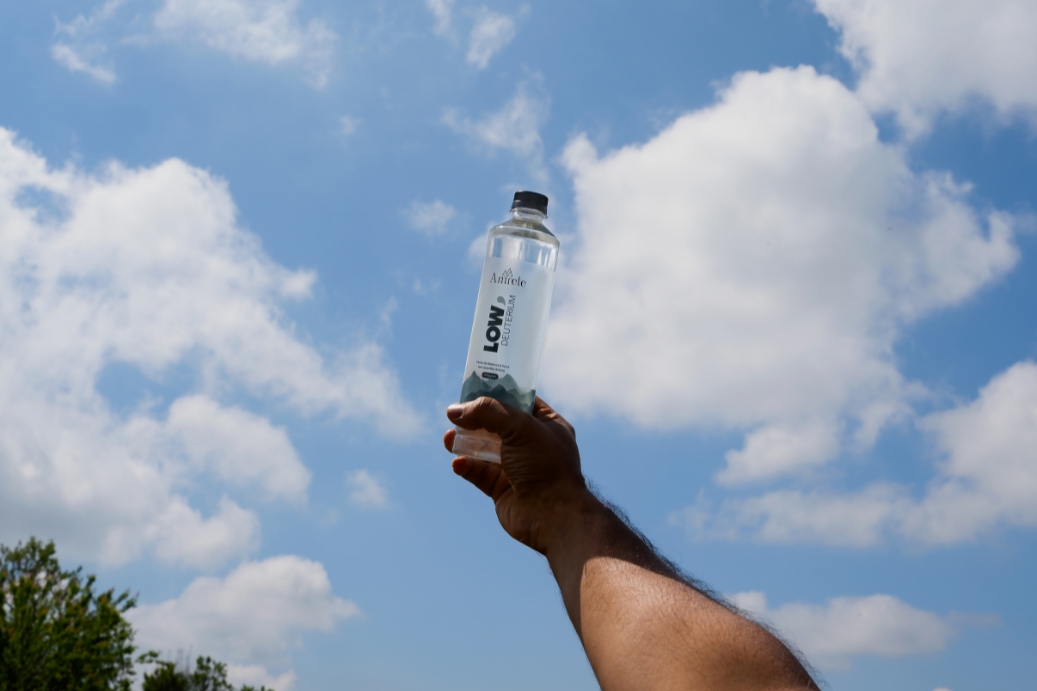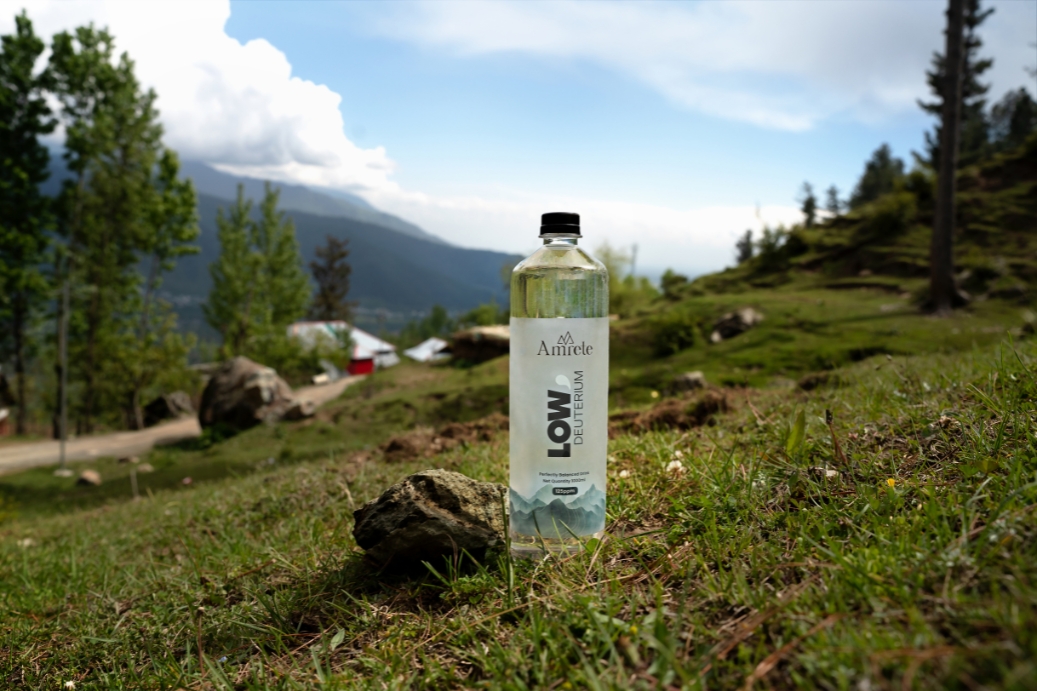
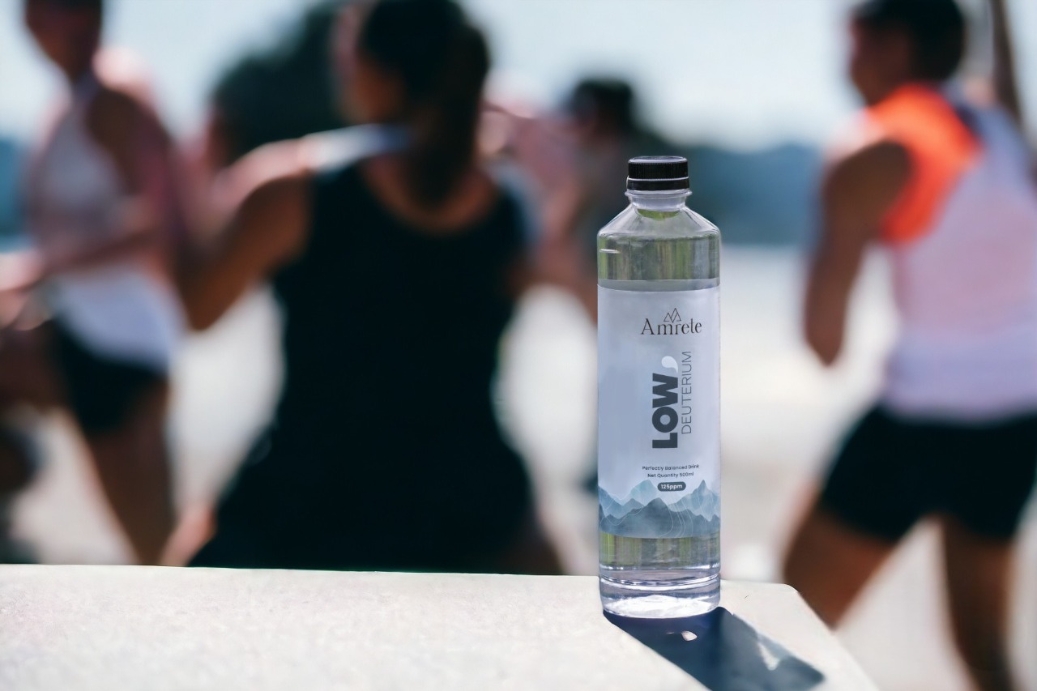
When it comes to deuterium-depleted water (DDW) (Low Deuterium Water), one of the most common questions is whether it belongs in a daily hydration routine. While early reports are promising, understanding the current state of safety research is key for anyone considering long-term use.
Current Research on Daily Consumption
The consensus among researchers is that DDW (Low Deuterium Water), specifically in the range of 25 ppm to 135 ppm, is generally well-tolerated by the human body.
• General Tolerance: Many users integrate DDW (Low Deuterium Water) into their daily routines without reporting adverse side effects.
• Biological Consistency: The concentration of deuterium in our bodies naturally aligns with the water we drink. By consuming DDW (Low Deuterium Water), you simply shift your internal "heavy hydrogen" levels to a lower, potentially more efficient state.
• Safety Limits: Preliminary studies suggest that consumption within recommended ranges shows no evidence of acute toxicity in clinical or preclinical settings.
The Gap in Long-Term Evidence
While "nontoxic" is a common descriptor in short-term studies, we must acknowledge the limitations of current data.
• No Lifetime Studies: There are currently no multi-decade human studies that definitively prove the efficacy or safety of using DDW (Low Deuterium Water) for an entire lifetime.
• Animal vs. Human Data: Much of the existing safety data comes from preclinical models (such as rats and mice). While animal results are a vital first step, they are not a one-to-one replacement for long-term human clinical trials.
• Adjuvant Focus: Most human research has focused on using DDW as an adjuvant therapy—meaning it is used alongside other treatments for specific conditions like cancer or metabolic syndrome—rather than as general "wellness" water for healthy individuals.
Practical Advice for Daily Use
If you choose to make DDW a part of your daily life, experts often recommend a balanced approach:
• Gradual Integration: Some sources suggest replacing your standard water with a moderate level (like 125 ppm) for a set period before returning to regular water, allowing the body to adjust its isotope levels slowly.
• Consult Professionals: Because DDW can influence cellular processes and metabolism, it is always best to consult a healthcare provider, especially if you have underlying conditions or are pregnant.
Quality Matters: Ensure your water is sourced from reputable manufacturers like Osmio Water, as the distillation and electrolysis processes used to create DDW must be strictly controlled.
Available on Amazon and Amrete shop.
Hashtags: #Safety #Hydration #Wellness #DeuteriumWater #FunctionalWater