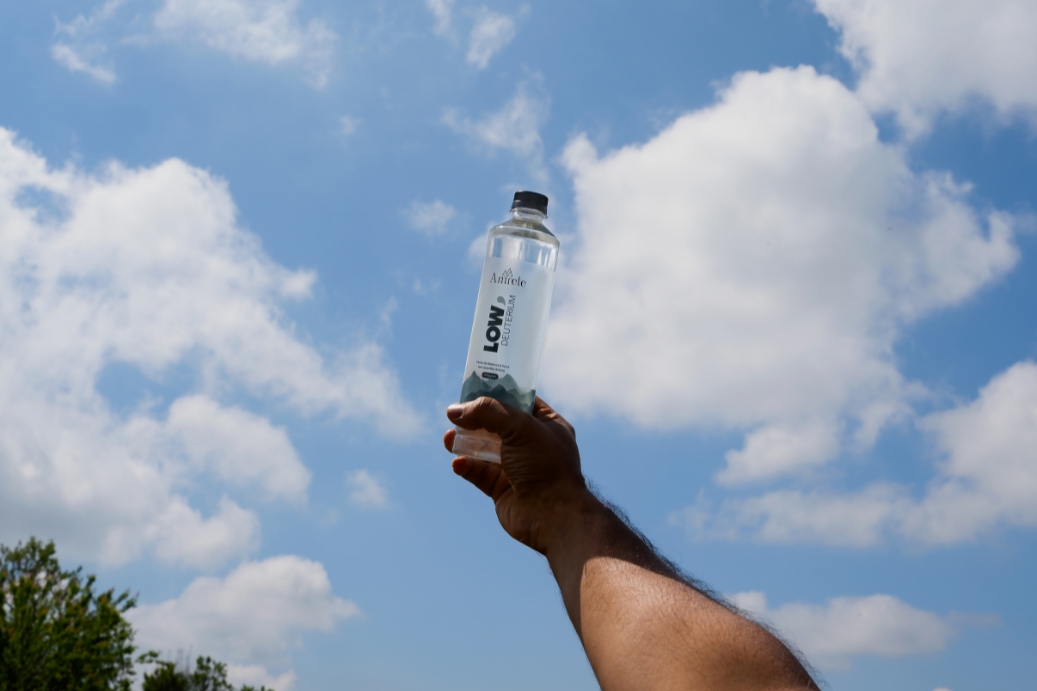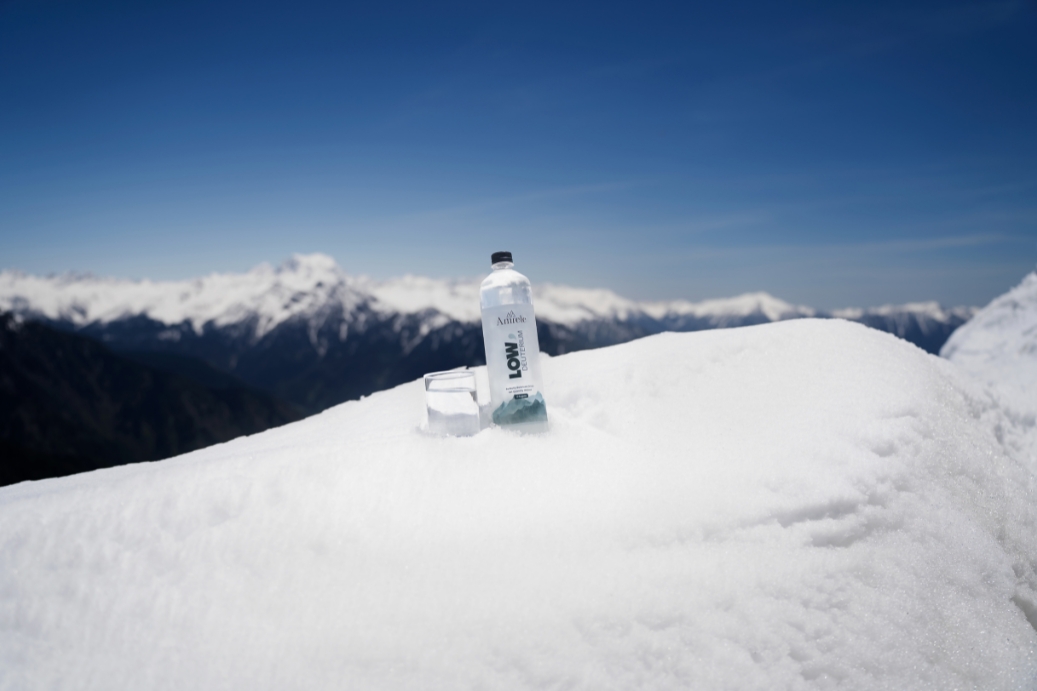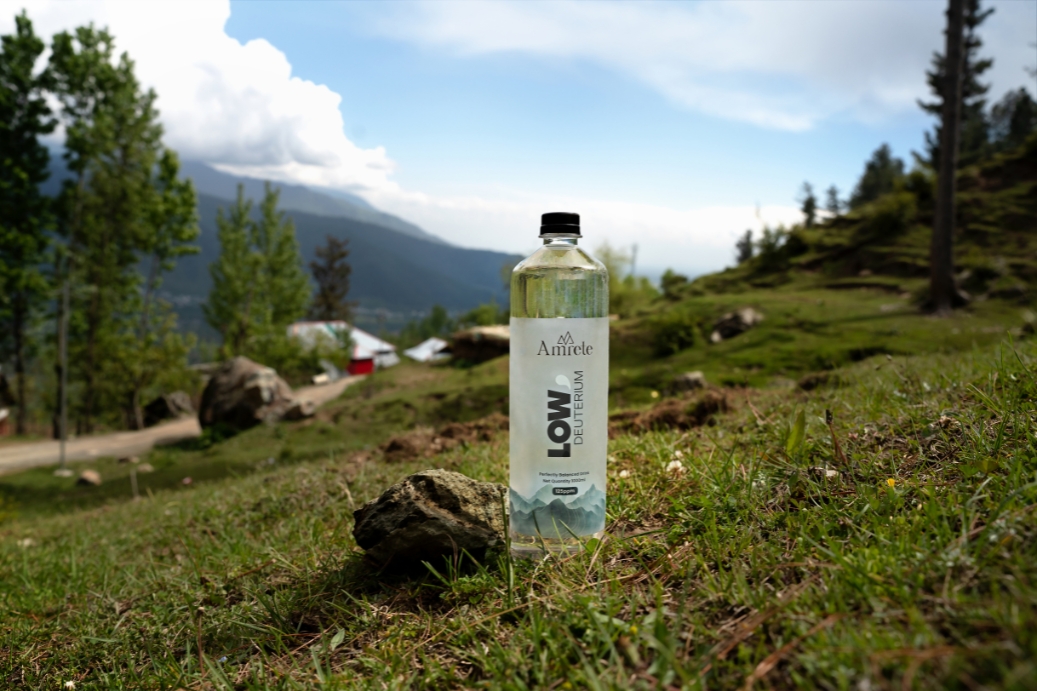
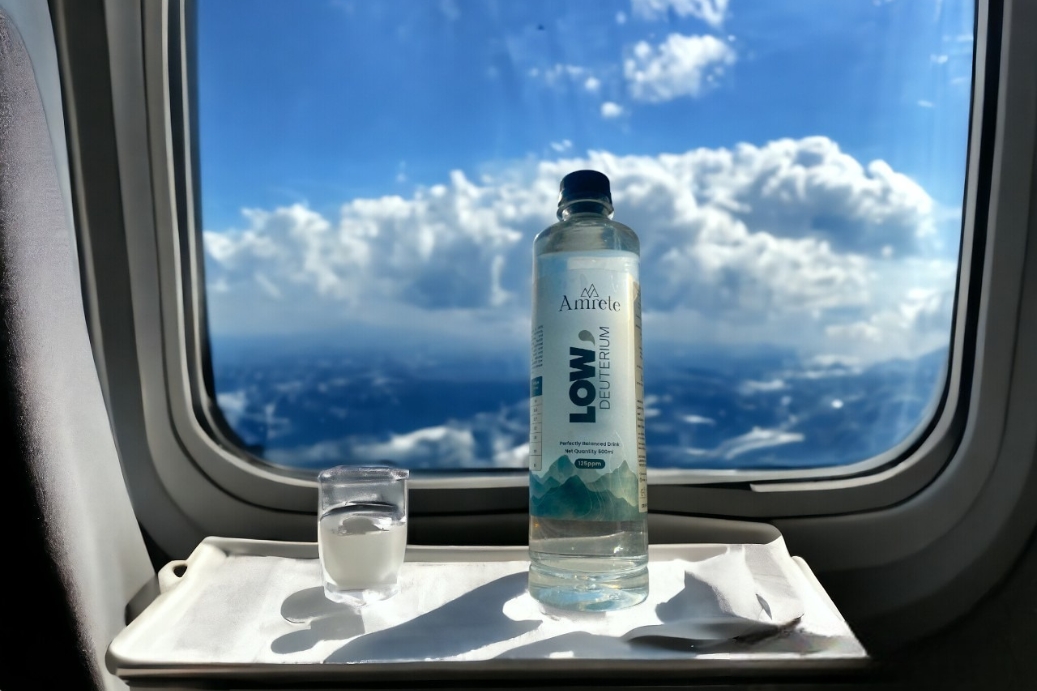
Athletes are exploring deuterium-depleted water (DDW) (Low Deuterium Water) as a potential aid for optimizing energy production, recovery, and inflammation control in high-performance routines.
Why Athletes Are Interested
Performance hinges on efficient mitochondria, which deuterium a heavier hydrogen isotope can disrupt by slowing metabolic processes like ATP production. Lowering deuterium levels through DDW may enhance cellular energy, reduce oxidative stress, and improve glucose utilization during intense loads, as seen in a study of elite rowers drinking 2L of 105 ppm DDW daily for 44 days. Participants showed better tissue oxygenation, lower blood lactate even at rest, and subjective gains in stamina and regeneration
Key Research Findings
A 2005 Hungarian study on 12 top male rowers found DDW (Low Deuterium Water) consumption led to less pronounced tissue anoxia, improved metabolic compensation under load, and faster subjective recovery compared to controls using tap water. Preclinical work, including animal models, links DDW to reduced systemic inflammation, boosted antioxidant enzymes like superoxide dismutase, and normalized stress markers in high-fat diets.
While promising, human evidence remains limited to small trials; larger, long-term studies are needed to confirm benefits like enhanced muscle repair or post-workout hydration.
Practical Connections
Tie DDW to everyday athletic needs: it may support muscle recovery by aiding circulation and curbing inflammation, much like optimal hydration does. For post-workout routines, pair it with standard strategies—aim for 2-3L daily fluids, adjusted for activity—while viewing DDW (Low Deuterium Water) as a targeted, experimental option rather than a proven enhancer. This balanced approach builds trust: relevant for performance chasers, but no magic bullet.
Available on Amazon and Amrete shop.
Hashtags: #AthleticPerformance #Recovery #Biohacking #Hydration #Mitochondria