Deuterium is a naturally occurring, heavy isotope of hydrogen that exists everywhere in nature, particularly in water and water-rich ingredients. While it cannot be completely eliminated from the diet, your food and beverage choices heavily influence your body's total deuterium load. For individuals exploring biohacking and bioenergetics, managing dietary deuterium is a growing strategy to optimize mitochondrial function.
Understanding which everyday items contain the highest concentrations of this heavy isotope allows you to make more informed nutrition and hydration choices.
Why Dietary Deuterium Matters to Your Body
At the cellular level, your mitochondria spin tiny nanomotors (ATP synthase) to generate cellular energy. Regular hydrogen protons pass through these motors seamlessly. However, deuterium has twice the mass of a normal hydrogen atom. Research published by Springer Nature indicates that a high sub-molecular isotope load can cause kinetic isotope effects, potentially disrupting normal biochemical cycles.
Springer Nature Link +3
When your body burns food, it creates "metabolic water". A carbohydrate-heavy diet produces metabolic water with a high deuterium concentration (up to 155.75 ppm), while burning fats produces much lighter metabolic water (around 118 ppm). Consequently, many health enthusiasts monitor their dietary intake to support cleaner energy production.
Deuterium concentrates differently across various food groups based on plant metabolic pathways (such as C4 vs. C3 photosynthesis) and animal farming practices.
1. High-Carbohydrate Grains and Starches
Plants store a significant amount of deuterium in their sugars and starches. According to a study on PMC, crops utilizing the C4 photosynthetic pathway naturally yield higher deuterium concentrations in their glucose molecules than C3 plants.
• Wheat Flour: ~150 ppm
• Corn & Soluble Corn Fibers: 145–155 ppm
• Potatoes: ~143 ppm
• Oats: ~141 ppm
2. Plant-Based Sugars and Tropical Drinks
Liquid-heavy plant products, especially those from warm or tropical climates where evaporation rates are high, present dense isotopic profiles.
• Coconut Water: ~156 ppm
• Beet Sugar & Cane Sugar: ~146 ppm
3. Grain-Fed Meats and Commercial Dairy
What livestock eats directly alters the chemical makeup of the food on your plate. Animals fed mass-produced grains, corn, and soy accumulate more heavy isotopes in their tissues.
• Grain-Fed Pork: ~148 ppm
• Grain-Fed Beef & Poultry: Typically >140 ppm
• Commercial Dairy: Processed dairy from grain-fed cattle features high deuterium structural lipids that transfer directly to the consumer.
Comparative Blueprint: Deuterium Across Food Groups
The table below breaks down typical deuterium concentrations found in common foods based on published data from MDPI and nutritional reviews:
| Food Category | Typical Deuterium Level (PPM) | Primary Risk Factors / Nuances |
|---|---|---|
| Tropical Fruits & Sugars | 146 - 156 ppm | High natural fructose; high ambient evaporation rates. |
| C4 Crops (Corn, Sugarcane) | 141 - 145 ppm | Photosynthetic pathway naturally concentrates heavy isotopes. |
| Grain-Fed Animal Meats | 138 - 148 ppm | Biomagnification from synthetic feed mixes and corn starch. |
| C3 Crops (Rice, Spinach, Oats) | 135 - 141 ppm | Lower baseline than C4 crops, but still varies by regional water. |
| Grass-Fed Meats & Fats | < 130 ppm | Pasture-grazing animals prioritize fat-burning, which lowers internal tissue ppm. |
Actionable Strategies to Manage Your Deuterium Load
You do not need an overly restrictive regime to balance your isotope exposure. Instead, implement small, deliberate dietary pivots:
• Prioritize Healthy Fats: Incorporate high-quality, low-deuterium lipids like grass-fed butter, tallow, and olive oil to help your mitochondria generate lighter metabolic water.
• Choose Grass-Fed over Grain-Fed: Opt for pasture-raised, grass-fed meats and wild-caught, cold-water seafood.
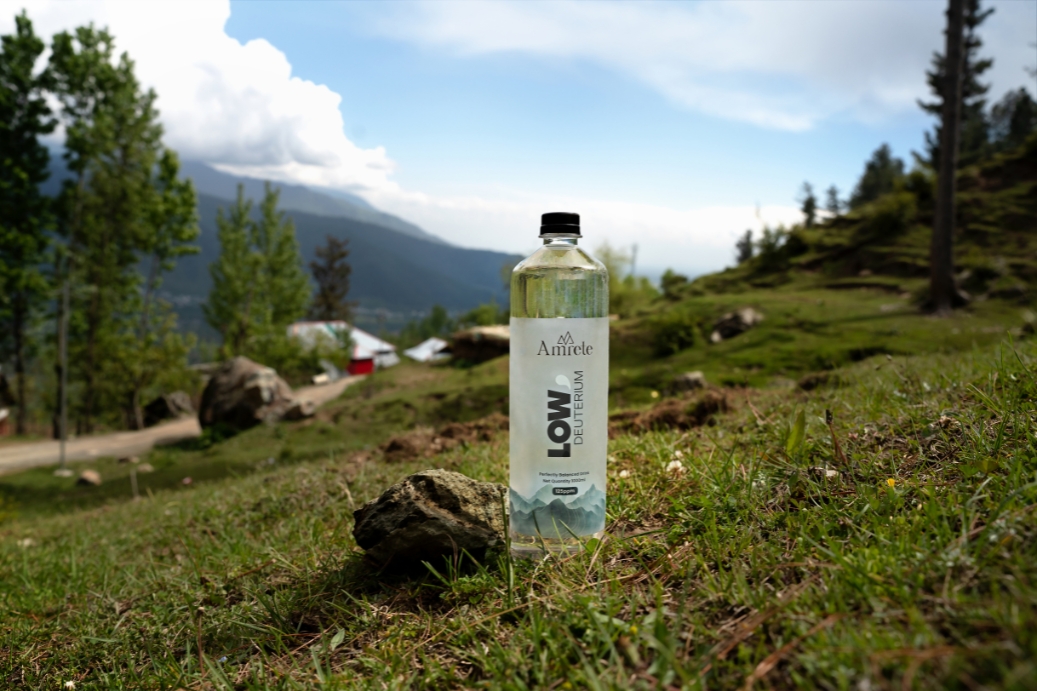
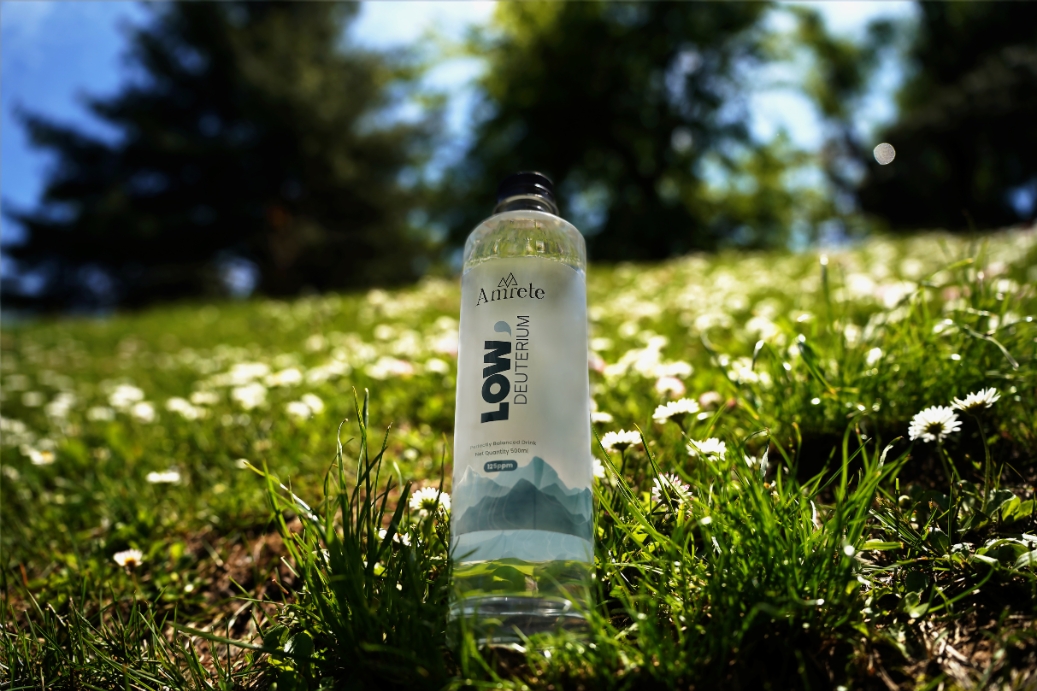
• Incorporate Deuterium-Depleted Water (DDW): Many individuals swap a portion of their standard drinking water for DDW. Learn more about optimizing your hydration setup by reading our foundational guides on regular filtered water vs. clean spring water solutions.
• Limit Processed Sugars: Reduce your intake of high-fructose corn syrup, refined white flours, and beet sugars.
Available on Amazon and Amrete shop.
Hashtags: #Nutrition #FoodScience #Wellness #Biohacking #Hydration #DepletedDeuteriumWater #LowDeuteriumWater