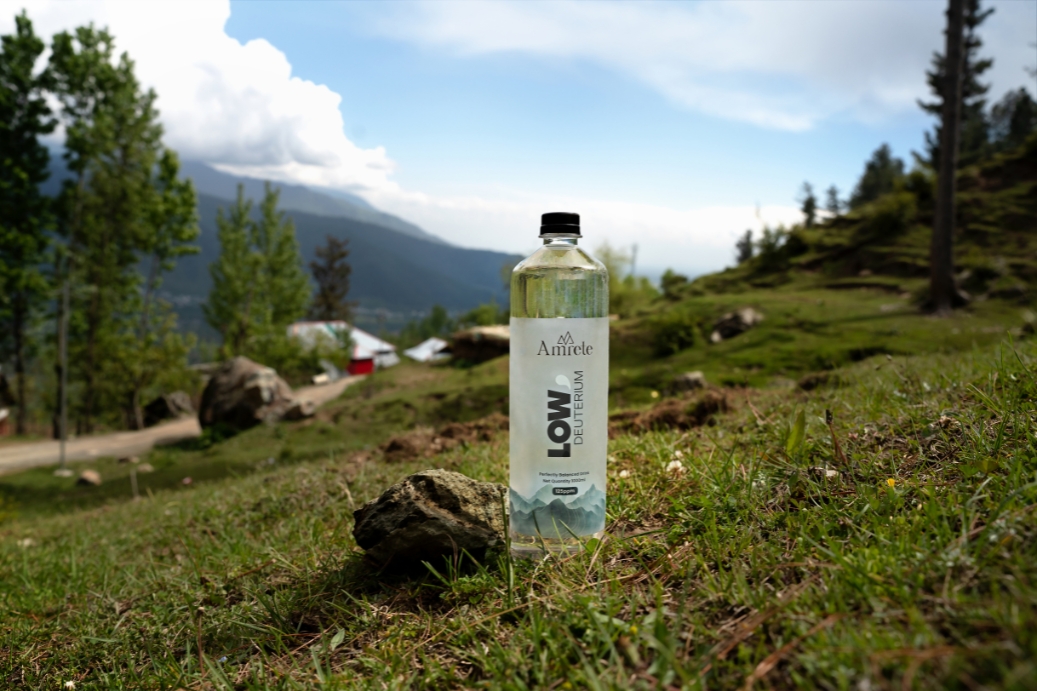

Deuterium is a naturally occurring heavy isotope of hydrogen found in all environmental water sources and foods. In the wellness and biohacking communities, managing your total isotope load is a growing strategy for optimizing mitochondrial efficiency and cellular health.
Rather than viewing specific foods as strictly forbidden, a practical approach focuses on cumulative intake. Understanding how different foods and beverages contribute to your daily isotope load allows you to make informed dietary adjustments to support a lower-isotope lifestyle.
The Relationship Between Diet and Deuterium accumulation
Every time you eat, your body breaks down nutrients to create energy and "metabolic water." The chemical composition of the food you consume directly dictates the deuterium level of this internal water.
Research published by Springer Nature highlights how heavy isotopes can induce kinetic isotope effects, which may alter the speed of critical biochemical reactions. While a carbohydrate-rich diet leads to metabolic water with a high deuterium concentration (up to 155.75 ppm), healthy dietary fats yield much lighter, deuterium-depleted metabolic water (around 118 ppm). This variance makes strategic food choices a valuable tool for metabolic wellness.
Key Dietary Sources Rich in Deuterium
Deuterium levels vary across food groups based on plant photosynthesis pathways, regional evaporation rates, and livestock farming practices.
1. High-Glycemic Carbohydrates and Starches
Plants store a higher concentration of heavy isotopes in their sugars and structural starches. According to a study on PMC, crops that utilize the C4 photosynthetic pathway naturally concentrate more deuterium in their glucose molecules than C3 plants.
• Refined Wheat & Corn Products: 145–155 ppm
• Potatoes and Tubers: ~143 ppm
• Oats and Cereal Grains: ~141 ppm
2. Commercial Sugars and Concentrated Juices
Liquid-heavy plant items, especially those sourced from warm, tropical climates with high evaporation rates, consistently show dense isotopic profiles.
• Fruit Juices & Coconut Water: ~156 ppm
• Cane Sugar & Beet Sugar: ~146 ppm
3. Grain-Fed Animal Products
The diet of livestock directly influences the isotopic composition of the meat and dairy on your plate. Animals raised on mass-produced corn, soy, and synthetic feed mixes accumulate more heavy hydrogen isotopes in their tissues.
• Grain-Fed Pork and Poultry: 142-148 ppm
• Grain-Fed Beef: >140 ppm
• Commercial Dairy Products: High-deuterium lipids from grain-fed cattle transfer directly to consumers through processed milk, cheese, and butter.
Cumulative Blueprint: Deuterium Exposure Across Food Groups
The table below outlines typical deuterium concentrations across common food groups based on data compiled from MDPI and biological studies:
| Food Group | Typical Deuterium Level (PPM) | Primary Dietary Impact |
|---|---|---|
| Tropical Sugars & Juices | 146 - 156 ppm | Rapidly elevates glucose-linked heavy isotope levels. |
| C4 Crops (Corn, Sorghum) | 141 - 145 ppm | Natural plant mechanics concentrate heavy hydrogen. |
| Grain-Fed Meats & Poultry | 138 - 148 ppm | Biomagnification from standard commercial livestock feed. |
| C3 Crops (Rice, Leafy Greens) | 135 - 141 ppm | Lower baseline than C4 crops, influenced by regional groundwater. |
| Grass-Fed Meats & Healthy Fats | < 130 ppm | Supports the production of lighter metabolic water during digestion. |
Practical Ways to Lower Your Cumulative Intake
Lowering your dietary deuterium is about long-term optimization rather than perfection. You can systematically reduce your exposure with a few targeted shifts:
• Emphasize Healthy Fats: Incorporate low-deuterium lipids like extra virgin olive oil, avocado oil, tallow, and grass-fed ghee to support clean metabolic water production.
• Select Pasture-Raised Proteins: Choose wild-caught seafood and grass-fed, pasture-raised meats over grain-fed varieties.
• Integrate Deuterium-Depleted Water (DDW): Many biohackers pair a clean diet with DDW. Swapping standard drinking water for DDW helps lower your baseline hydration ppm, compounding the benefits of a low-deuterium diet.
• Minimize Processed Sweeteners: Reduce consumption of high-fructose corn syrup, refined white flours, and concentrated fruit juices.
Available on Amazon and Amrete shop.
Hashtags: #Nutrition #DeuteriumWater #Wellness #Biohacking #HealthOptimization #DepletedDeuteriumWater #LowDeuteriumWater