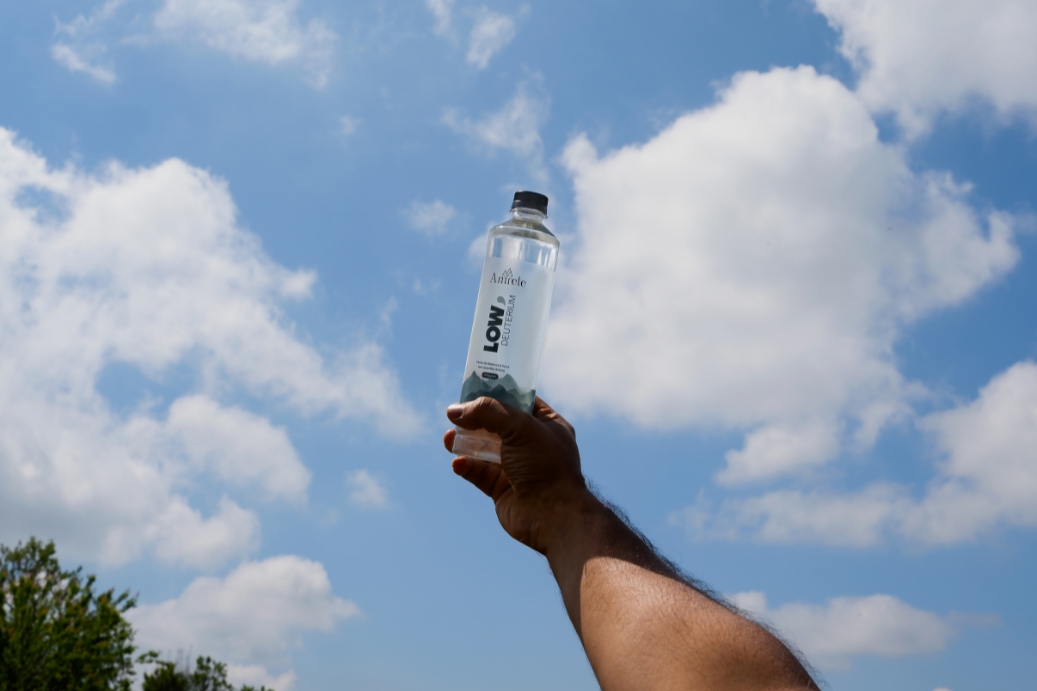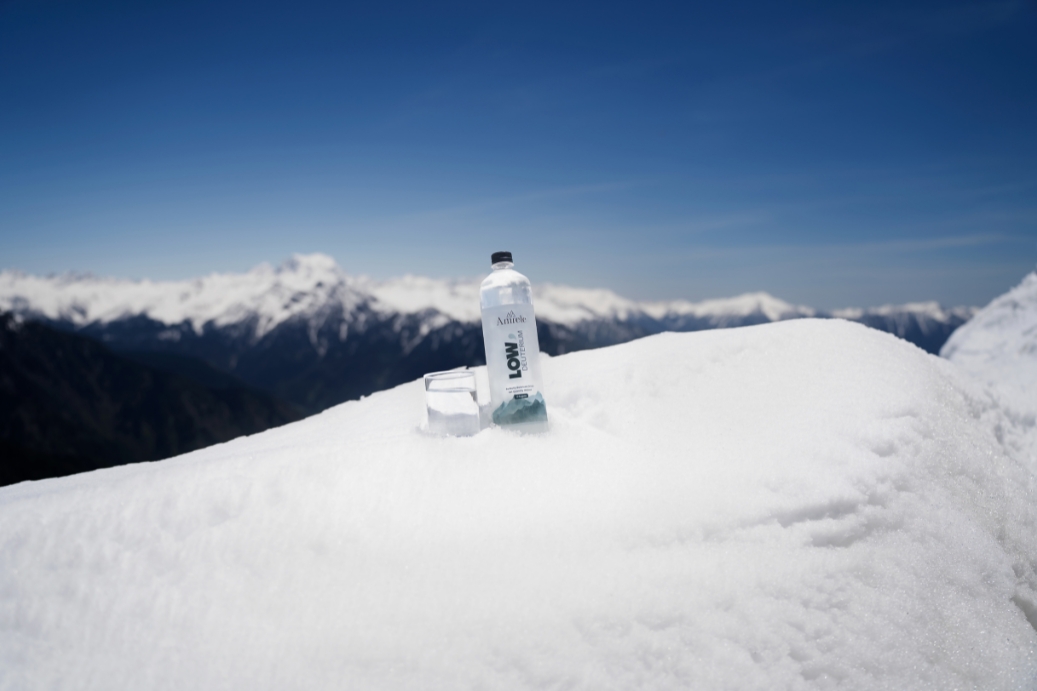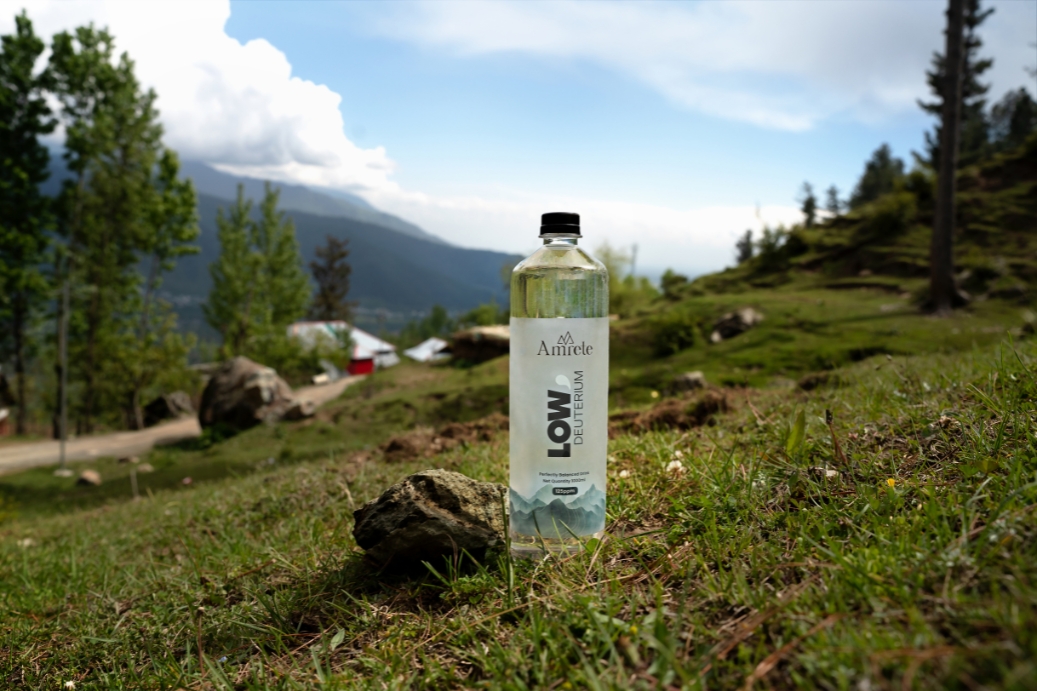

In the pursuit of peak athletic performance and faster turnaround times between training sessions, fitness enthusiasts are constantly looking for ways to optimize cellular health. Recently, deuterium-depleted water (DDW) (Low Deuterium Water) has emerged as a high-interest topic in the fitness community.
While traditional recovery protocols focus primarily on macronutrients and electrolytes, DDW (Low Deuterium Water) targets the cellular machinery responsible for energy production. Understanding the biological rationale behind this functional hydration choice can help you decide how to approach your post-workout routine.
The Biological Rationale: Mitochondria and Muscle Repair
Muscles require a massive amount of adenosine triphosphate (ATP) to repair tissue micro-tears caused by intense exercise. This energy is produced by the mitochondria, which rely on microscopic nanomotors (ATP synthase) powered by hydrogen protons.
Research published by Springer Nature indicates that deuteriumâ€â€a heavy isotope of hydrogenâ€â€can cause kinetic isotope effects that potentially disrupt delicate biochemical cycles. Because deuterium has twice the mass of a normal hydrogen proton, it can physically stutter or stall these cellular motors, reducing overall ATP output and increasing the production of damaging reactive oxygen species (ROS).
By lowering the concentration of heavy hydrogen in the body, athletes aim to maintain clean, uninterrupted mitochondrial function, which theoretically provides the cellular energy needed for efficient tissue repair.
Oxidative Stress, Inflammation, and Preclinical Evidence
Intense workouts naturally cause temporary inflammation and oxidative stress in muscle tissue. While this stress triggers muscle growth, excessive or prolonged oxidative damage can delay recovery and prolong soreness.
Preclinical data published on PMC suggests that deuterium depletion may help mitigate inflammatory signaling and reduce overall oxidative damage within cellular structures. Lowering the systemic isotope load appears to support the body’s endogenous antioxidant defenses, helping to clear out metabolic waste more effectively.
The Evidence Gap
It is critical to note that while the biological mechanism is sound, direct human clinical trials measuring athletic recovery rates remain limited. Most existing research is foundational or preclinical. DDW should not be viewed as a magic shortcut for instant recovery, but rather as a long-term strategy to support underlying metabolic efficiency.
Hydration Comparison: Regular vs. Functional Recovery Options
Post-workout hydration directly dictates how efficiently nutrients are transported to recovering muscles. The table below compares common hydration options to highlight how they function under a microscope:
| Hydration Type | Primary Mechanism | Deuterium Concentration | Recovery Pros & Cons |
|---|---|---|---|
| Standard Tap / Bottled Water | Basic volumetric rehydration. | 145 - 155 ppm | Inexpensive and accessible; does nothing to alleviate cellular isotope drag. |
| Electrolyte / Sports Drinks | Replenishes sodium, potassium, and lost minerals. | 145 - 155 ppm | Restores fluid balance quickly; often contains high sugars/C4 corn syrups that add to the heavy isotope load. |
| Filtered / Reverse Osmosis Water | Removes contaminants and heavy metals. | 140 - 150 ppm | Clean from pollutants; only marginally reduces the heavy hydrogen isotope baseline. |
| Deuterium-Depleted Water (DDW) | Minimizes mechanical drag on mitochondrial nanomotors | 25 - 125 ppm | Maximizes ATP efficiency and reduces cellular ROS; requires deliberate sourcing and higher investment. |
Actionable Tips for Integrating Advanced Hydration
If you want to explore DDW as part of a comprehensive athletic protocol, consider a phased and mindful approach:
• Time Your Intake: Consume DDW consistently throughout the day rather than just as a single post-workout drink. Cellular isotope levels change gradually over weeks, not minutes.
• Combine with a Low-Deuterium Diet: Amplify the effects of functional hydration by pairing it with healthy fats (like avocado or olive oil) and pasture-raised proteins, which naturally produce lighter metabolic water during digestion
• Maintain Electrolyte Balance: DDW focuses on the hydrogen baseline, not minerals. Ensure you still consume adequate sodium, magnesium, and potassium after heavy sweating.
Available on Amazon and Amrete shop.
Hashtags: #Recovery #Fitness #AthleticRecovery #Hydration #DeuteriumWater #DepletedDeuteriumWater #LowDeuteriumWater