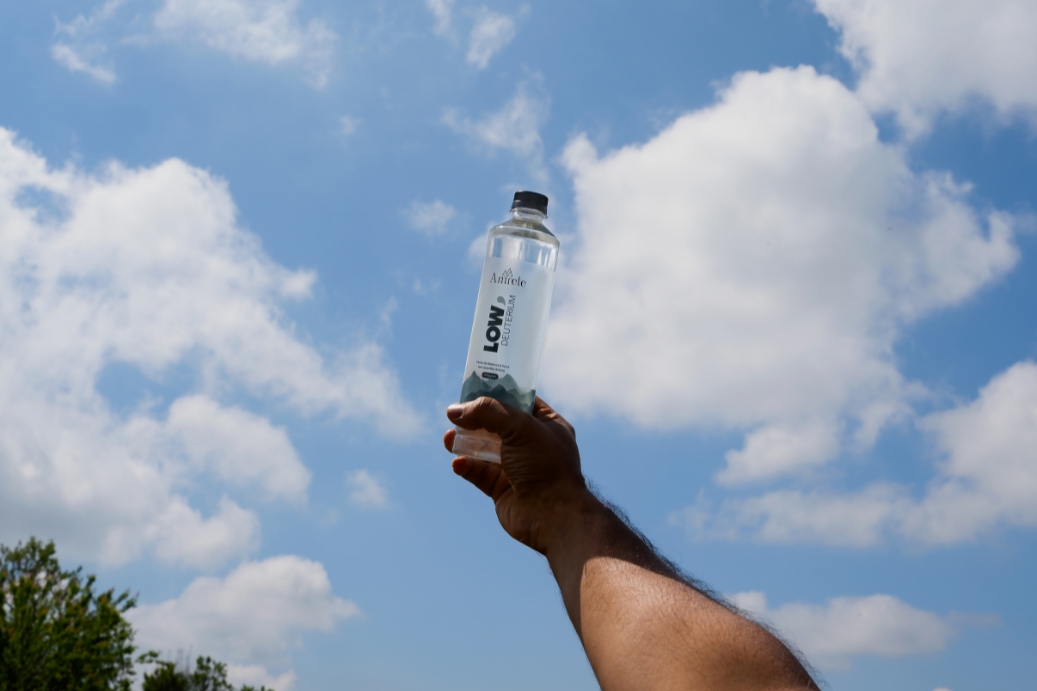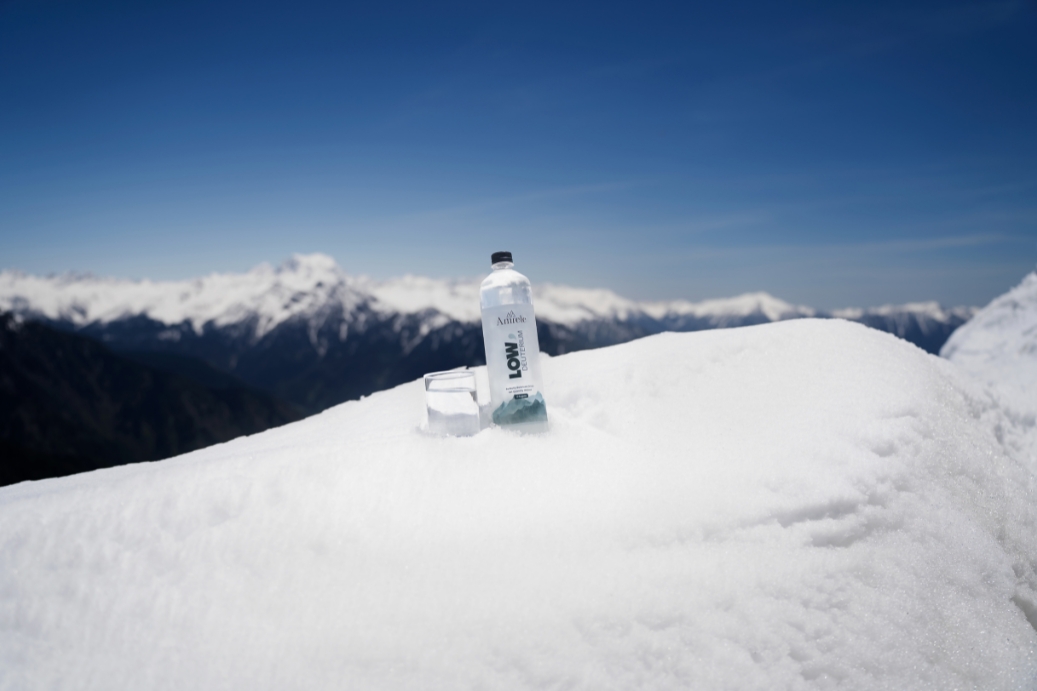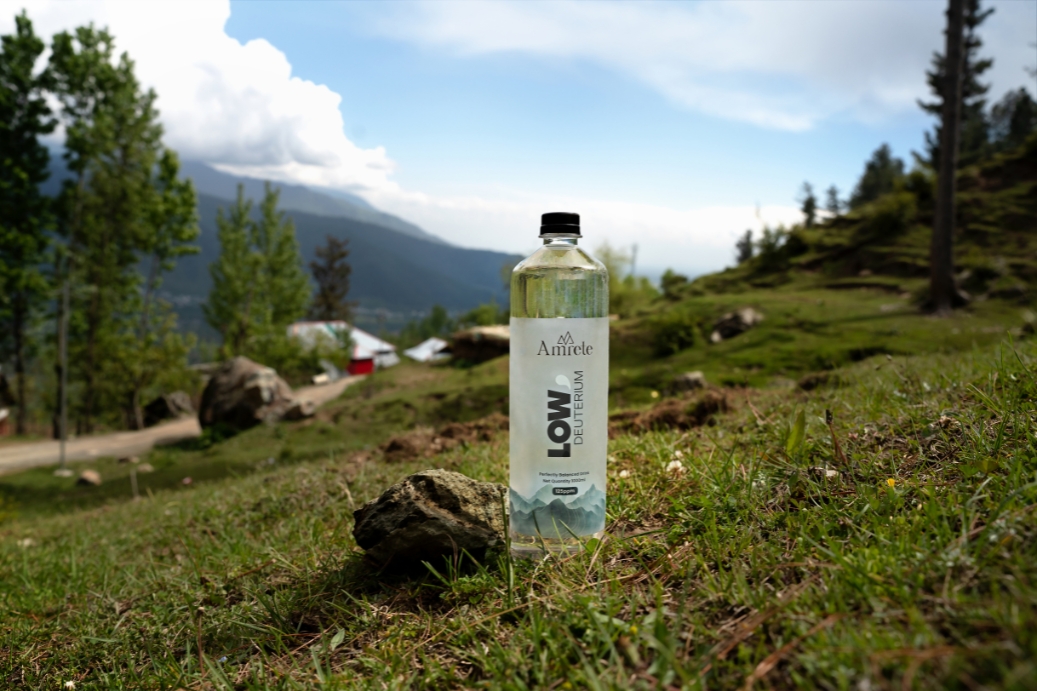

In the growing world of biohacking and premium hydration, deuterium-depleted water (DDW) (Low Deuterium Water) and alkaline water are frequently compared. However, they are completely different products with unrelated chemical structures and health targets.
Alkaline water focuses exclusively on altering the potential hydrogen (pH) level of the liquid. In contrast, deuterium-depleted water modifies the molecular isotope composition by removing heavy hydrogen. Understanding this fundamental difference is essential to choosing the right functional water for your personal wellness goals.
The Biological Breakdown: Isotope Load vs. pH Balance
To understand how each water functions, it helps to examine what occurs inside your cells during consumption:
Deuterium-Depleted Water (DDW)
Normal drinking water contains roughly 150 parts per million (ppm) of deuterium, a heavy hydrogen isotope containing an extra neutron. Research published by PMC demonstrates that high levels of structural deuterium can impede normal cellular respiration and cause mechanical strain on mitochondrial nanomotors. By physically isolating lighter water molecules through sophisticated fractional distillation, products like Amrete Low Deuterium Water drop isotope concentrations down to 25-125 ppm to optimize cellular energy production.
Alkaline Water
Alkaline water focuses entirely on the acid-base spectrum. Standard tap water sits around a neutral pH of 7, whereas alkaline alternatives—such as Hege Natural Alkaline Water are enhanced with mineral buffers like calcium and magnesium to achieve a pH of 8 to 9. According to clinical insights published by Huberman Lab, these specific mineral concentrations support systemic hydration metrics, reduce localized tissue inflammation, and lower blood pressure risk profiles.
Head-to-Head Blueprint: Premium Hydration Comparison
The comparison table below outlines the core properties, production methods, and target mechanisms of both premium functional waters:
| Comparison Metric | Deuterium-Depleted Water (DDW) (Low Deuterium Water) | Alkaline Water |
|---|---|---|
| Primary Focus | Isotopic mass and sub-molecular structure. | Potential Hydrogen (pH scale) acidity levels. |
| Typical Level | 25 ppm to 125 ppm of heavy hydrogen. | pH range of 8.0 to 9.5. |
| Production Method | Industrial multi-stage fractional distillation. | Ionization or mineral supplement infusion. |
| Cellular Target | Mitochondrial ATP synthase nanomotors. | Fluid mineral balance and stomach acid neutralization. |
| Key Benefits | Mitigates structural ROS and systemic fatigue. | Provides antioxidant support and targets acid reflux. |
| Availability | Highly specialized; typically premium cost. | Widely accessible in commercial retail stores. |
Choosing the Right Option for Your Lifestyle
Neither option is universally "better" than the other, as they address completely different biological systems. Your choice depends on your specific wellness objectives:
• Choose Deuterium-Depleted Water (Low Deuterium Water) if: You want a highly targeted functional water designed for metabolic optimization, mitochondrial support, long-term longevity protocols, or reducing cellular oxidative stress.
• Choose Alkaline Water if: You want a familiar, mineral-rich option to assist with post-workout electrolyte restoration, neutralize stomach acidity, or enhance standard daily taste and palatability.
Available on Amazon and Amrete shop.
Hashtags: #Comparison #AlkalineWater #DeuteriumWater #Wellness #Hydration #DepletedDeuteriumWater #LowDeuteriumWater