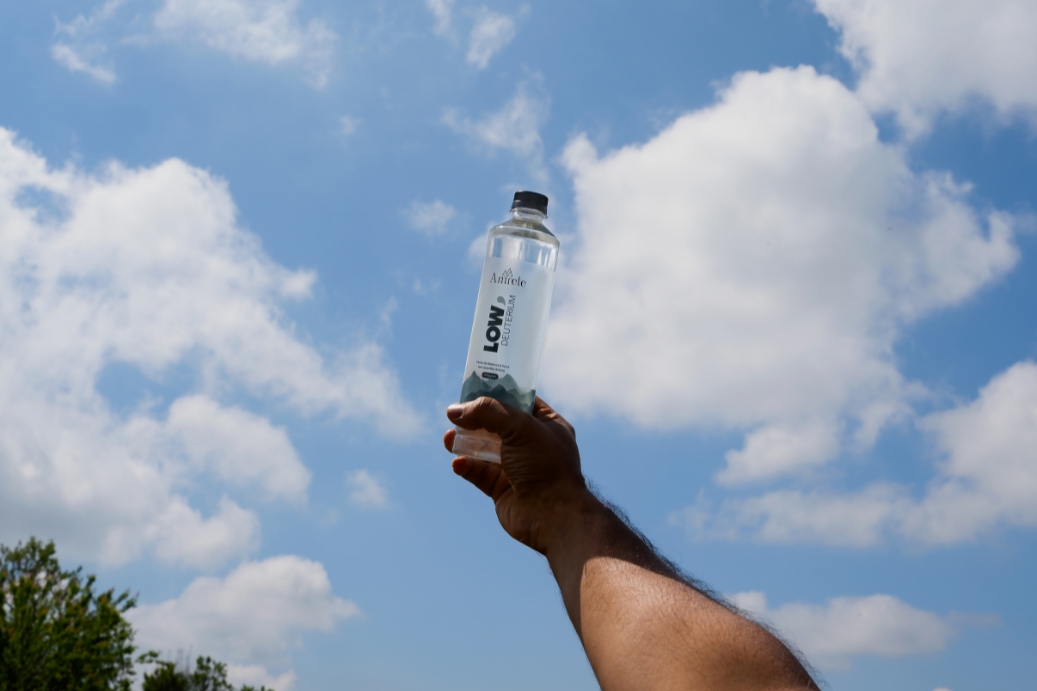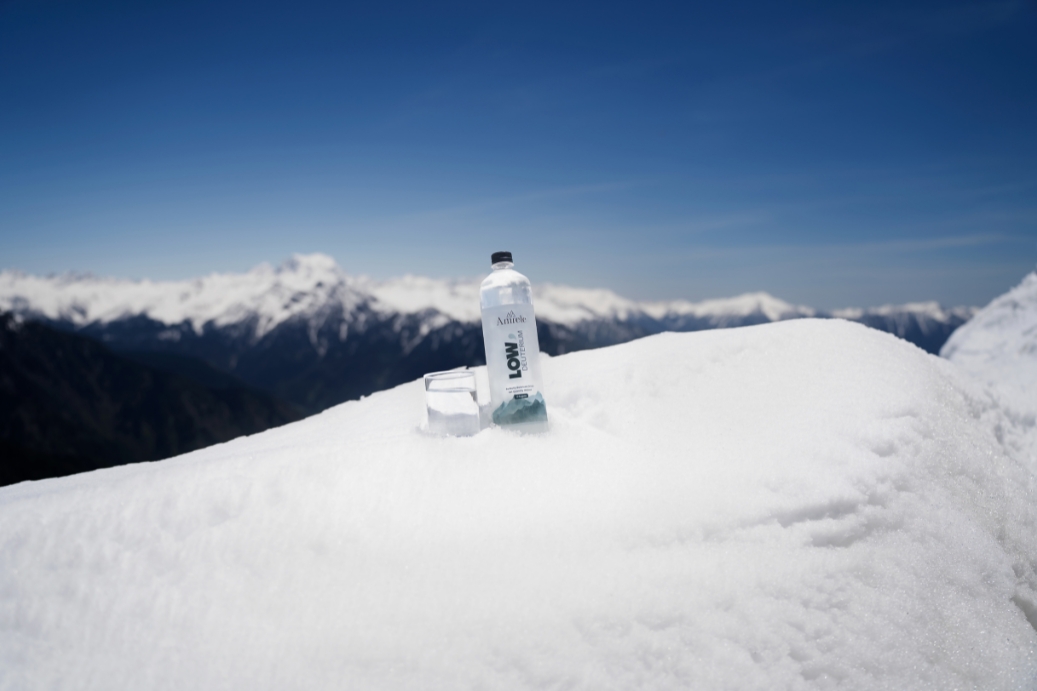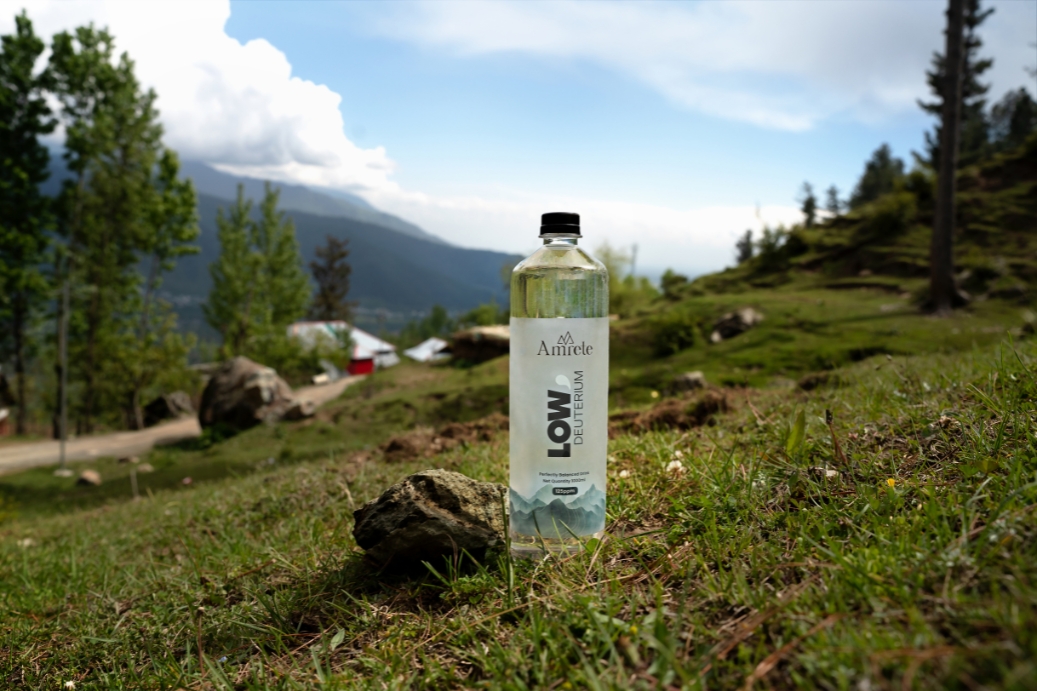

One of the most frequent questions from individuals entering the world of advanced biohacking and metabolic optimization is how quickly they will notice the benefits of deuterium-depleted water (DDW) (Low Deuterium Water) . Because DDW works at a fundamental, sub-molecular level rather than acting as a fast-acting stimulant, its timeline is bound directly to your body's natural cellular turnover and fluid exchange rates.
Rather than expecting overnight transformations, it is more accurate to view deuterium depletion as a phased biological journey. Understanding this timeline helps you set realistic expectations for your health and performance protocols.
The Biological Rationale: Dilution and Cellular Turnover
When you begin drinking DDW, your systemic isotope levels do not drop instantly. Your body is composed of roughly 60% water, most of which sits at a standard global baseline of roughly 150 parts per million (ppm) of deuterium.
Research published by Springer Nature indicates that high concentrations of heavy hydrogen isotopes introduce kinetic isotope effects that physically slow down mitochondrial nanomotors. To reverse this, you must gradually dilute your existing fluid matrix.
According to foundational clinical data monitored by PubMed, safely shifting your internal cellular baseline down to an optimal target zone (typically between 120 and 130 ppm) requires a progressive, steady replacement of your internal water pool. This systemic dilution relies entirely on your daily fluid intake, metabolic rate, and individual cellular turnover.
The Phased Timeline of Deuterium Depletion
While every metabolism reacts differently based on diet and lifestyle, most individuals experience the structural changes of DDW across three distinct phases:
Phase 1: Days 1 to 14 (The Fluid Equilibrium Phase)
During the first two weeks, your body begins mixing the low-deuterium water with your existing fluid reserves.
• What is happening: Internal dilution begins; kidneys process and excrete older, heavier water molecules.
• What you might feel: Subdued, subtle shifts in systemic hydration. Some individuals note a mild, temporary detox effect or slight alterations in sleep architecture as cellular fluid balances begin to adjust.
Phase 2: Weeks 3 to 6 (The Mitochondrial Optimization Phase)
By the second month, the concentration of heavy hydrogen surrounding your mitochondrial nanomotors drops low enough to noticeably reduce mechanical drag.
• What is happening: Clean hydrogen protons pass through ATP synthase motors with fewer structural disruptions, helping to reduce the formation of reactive oxygen species (ROS).
• What you might feel: Notable improvements in steady, baseline day-long energy. Many fitness enthusiasts experience less pronounced midday fatigue and minor improvements in post-exercise recovery windows.
Phase 3: Months 2 to 4+ (The Cellular Consolidation Phase)
This is the window where true structural and systemic benefits consolidate across deep tissue matrices.
• What is happening: Deep tissues and red blood cells undergo complete cycles of replication and turnover inside a lighter, lower-isotope environment.
• What you might feel: Enhanced metabolic resilience, sharper cognitive clarity, and sustained physical endurance during intensive training blocks.
Blueprint: Expected Outcomes Along the Isotope Timeline
The timeline below summarizes what to look for based on published analytical reviews and user data from molecular hydration studies:
| Timeline | Systemic Process | Expected Metrics / Biomarkers |
|---|---|---|
| Week 1 - 2 | Initial serum fluid mixing and baseline equilibrium. | Mild adjustments in urination frequency; nominal ppm drop. |
| Week 3 - 6 | Easing of mechanical drag on cellular ATP synthase. | Stabilized waking energy levels; reduced oxidative stress markers. |
| Month 2 - 3 | Target internal depletion zone achieved (120-130 ppm). | Measurable improvements in cellular respiration and exercise stamina. |
| Month 4+ | Cumulative tissue replication within a low-isotope matrix. | Long-term optimization of metabolic homeostasis and cellular defense. |
3 Variables That Accelerate or Delay Your Results
Your hydration habits do not exist in a vacuum. Three primary lifestyle factors dictate how fast you will cross the finish line:
• Dietary Choices: Eating a diet rich in high-glycemic carbohydrates and grain-fed products constantly introduces new heavy isotopes. Conversely, a diet rich in healthy, pasture-raised fats naturally produces lighter metabolic water, speeding up your depletion timeline.
• Daily Consistency: Consuming standard tap water, commercial sports beverages, or high-deuterium tropical juices alongside DDW dilutes your progress. Complete or majority substitution yields the fastest results.
• Metabolic Rate: Active individuals who exercise regularly and sweat frequently cycle through their internal fluid pools much faster, accelerating the removal of heavy hydrogen.
Available on Amazon and Amrete shop.
Hashtags: #Recovery #Mitochondria #DeuteriumWater #Wellness #Hydration #DeuteriumDepletedWater #Biohacking