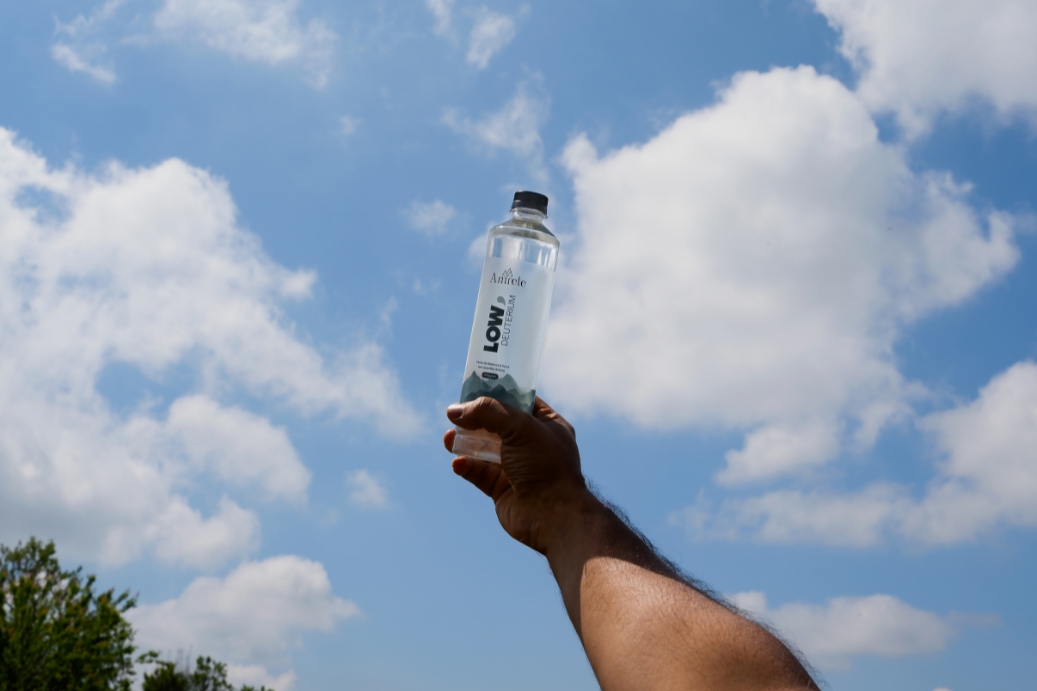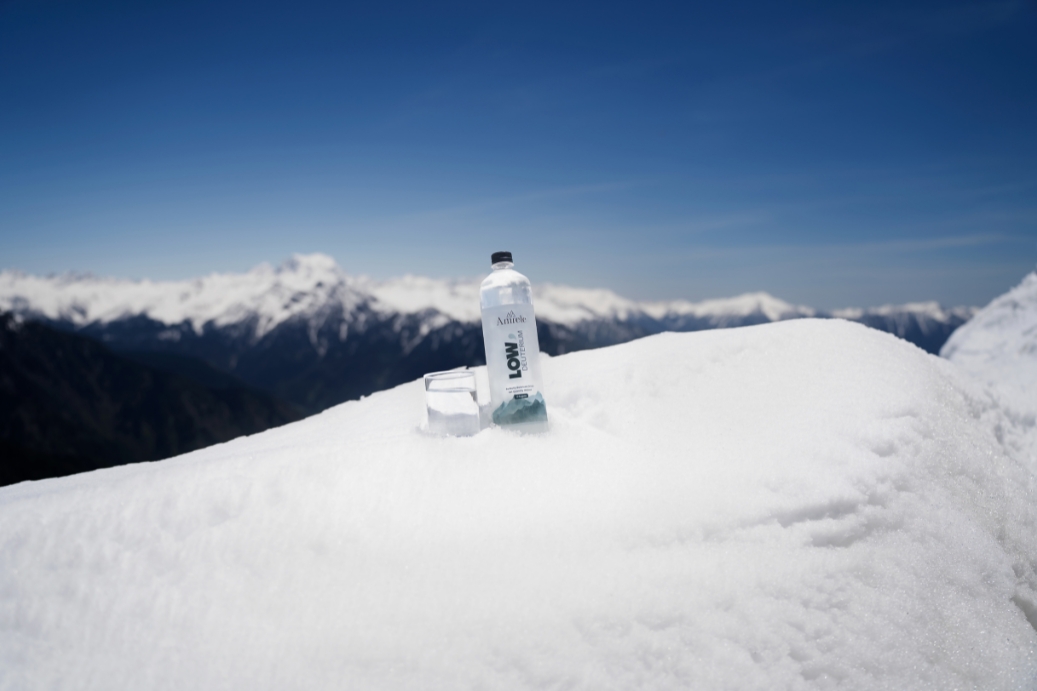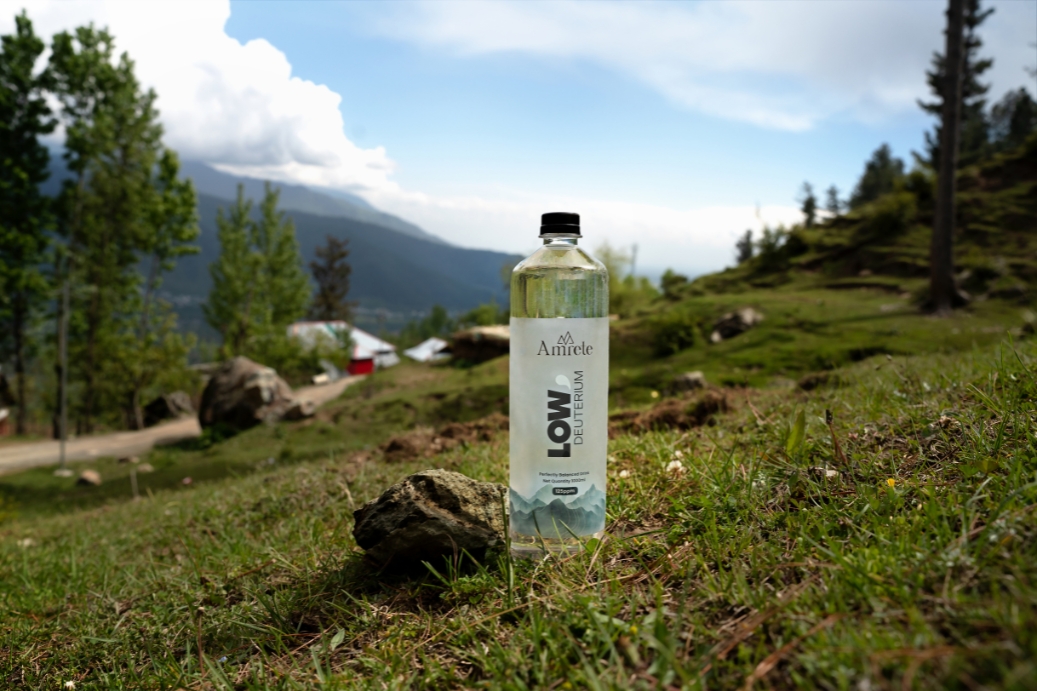
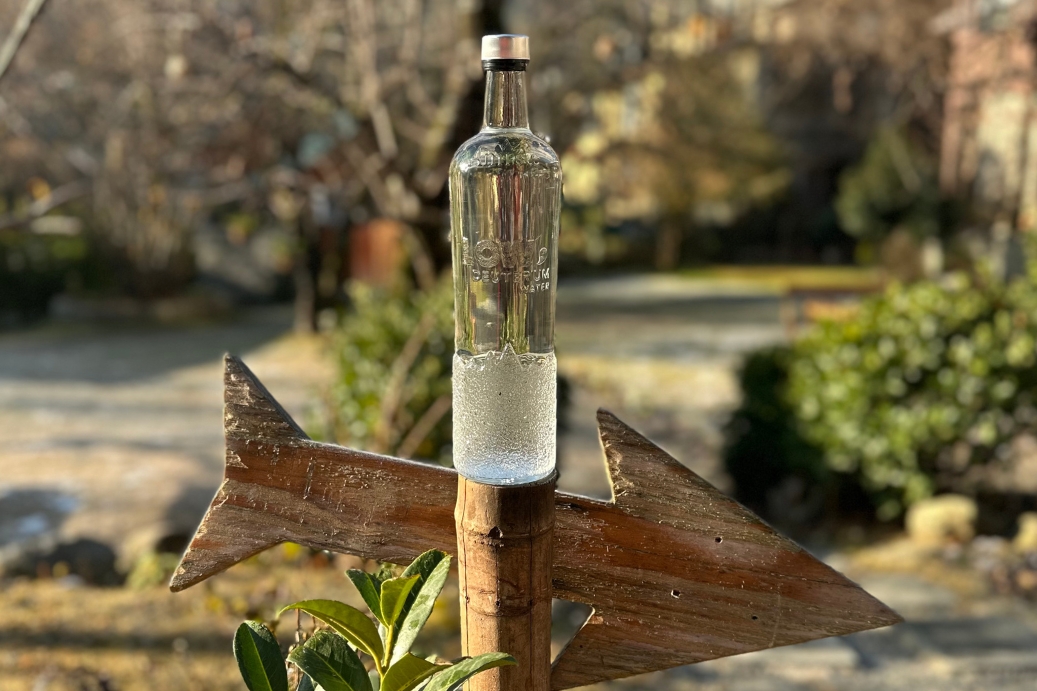
Deuterium-depleted water (DDW), also known as Low Deuterium Water, commands a premium retail price ranging from $10 to $45 per litre. Standard tap and bottled water contain roughly 150 to 155 parts per million (ppm) of deuterium. Lowering this concentration to therapeutic levels (typically 25 to 125 ppm) requires complex, energy-intensive industrial engineering.
The high cost of DDW is driven by extreme manufacturing bottlenecks, strict quality control protocols, and premium positioning in the global wellness market.
1. The Energy-Intensive Production Process
Separating deuterium from regular water is a massive chemical engineering challenge. Deuterium is a stable isotope of hydrogen. It has an extra neutron, making it twice as heavy as a standard hydrogen atom (protium). Because DDW and regular water share almost identical chemical properties, basic filtration cannot separate them.
Manufacturers rely on two primary industrial separation methods:
• Multi-Stage Fractional Distillation: Water is boiled repeatedly in massive industrial columns. Because normal water evaporates slightly faster than heavy water, the lighter vapor is captured. To lower the deuterium content significantly, this distillation loop must be repeated hundreds of times, drawing massive amounts of electricity.
• Dual-Temperature Catalytic Exchange: This method uses a platinum catalyst combined with cycling hot and cold temperatures to isolate light hydrogen. While more efficient than distillation, it requires rare-earth catalysts and specialized, high-pressure infrastructure.
2. Low Yield and Extreme Resource Consumption
The production yield for DDW (Low Deuterium Water) is remarkably low. Processing thousands of litres of standard water yields only a small fraction of highly depleted water.
• High Rejection Rates: To reach ultra-low levels (such as 25 ppm or 50 ppm), up to 90% of the source water is discarded or set aside as a byproduct during processing.
• Industrial Footprint: The specialised infrastructure needed for industrial isotope separation is restricted to a handful of facilities globally, primarily located in Eastern Europe and managed by specialised entities like the Heavy Water Board.
3. Advanced Quality Control & Verification
Maintaining exact, consistent ppm levels requires laboratory testing equipment that adds to the operational overhead.
• Isotope Ratio Mass Spectrometry (IRMS): Standard water meters cannot detect deuterium. Manufacturers must use IRMS technology to verify the isotopic composition of every batch.
• Post-Purification Re mineralisation: High-heat distillation strips water of all natural minerals. Manufacturers must carefully reintroduce medical-grade electrolytes and minerals to ensure the water is safe, stable, and palatable for human consumption.
4. Market Positioning and Bio-Hacking Demand
The final factor in the premium pricing of DDW is its status within the luxury wellness and preventative healthcare sectors.
• Mitochondrial Health Research: Clinical studies published on PubMed Central indicate that lower deuterium levels may improve mitochondrial function, optimize cellular ATP synthase nanomotors, and act as an adjuvant therapy in metabolic and oncology care.
• Niche Consumer Base: Because DDW targets bio-hackers, athletes, and patients seeking specialized metabolic support, production volume remains relatively small compared to standard bottled water. This smaller scale prevents companies from achieving the economies of scale that lower consumer prices.
Available on Amazon and Amrete shop.
Hashtags: #PremiumWater #Wellness #Hydration #DeuteriumWater #Biohacking #DepletedDeuteriumWater #LowDeuteriumWater